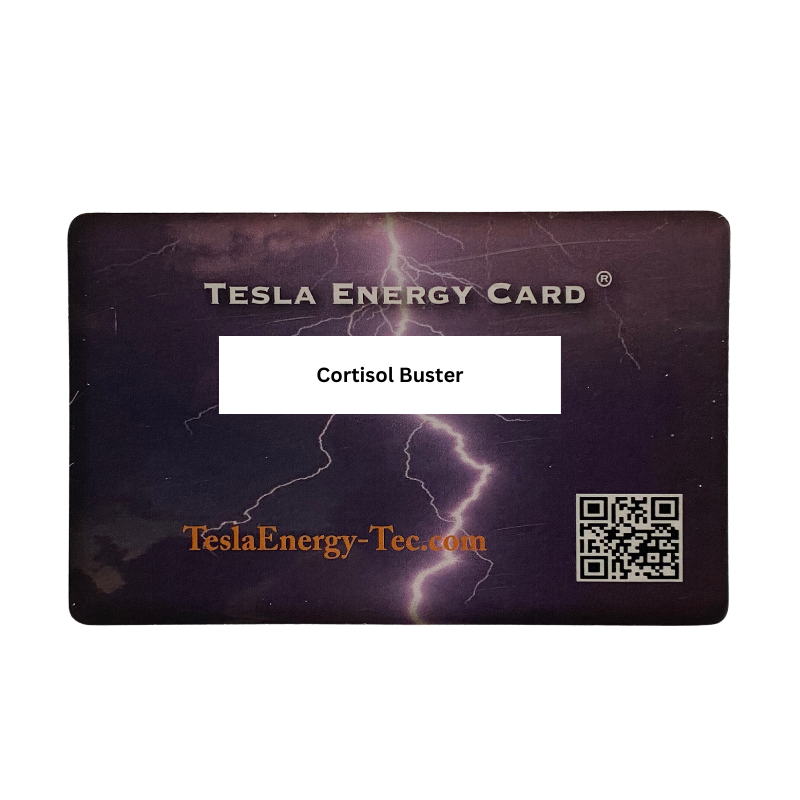
Cortisol is the body’s primary stress hormone. The following vibrational frequencies work best alongside seven hours of good sleep, stress management, and dietary changes. The following vibrational remedies are included:
- Ashwagandha
- Rhodiola Rosea
- Holy Basil (Tulsi)
- South American Ginseng
- Magnesium Orotate
- Omega- 6/omega 3 Fatty Acids
- Siberian Ginseng
- Food based vitamin C with Bioflavonoids
- Lemon Balm
- Arctic Root
Cortisol is a catabolic hormone that tears the body down and can result in the following issues:
- Increases anxiety, irritability, and mood swings
- Impairs memory and focus (affects the hippocampus)
- Raises risk of depression
- Can disrupt motivation and emotional regulation
- Makes it harder to fall asleep or stay asleep
- Causes early waking (wired but tired feeling)
- Promotes fat storage, especially around the abdomen
- Increases cravings for sugar and high-calorie foods
- Can contribute to Insulin resistance, making fat loss harder
- Raises blood pressure
- Increases risk of heart disease over time
- Can contribute to chronic inflammation
- Suppresses immune function (you get sick more easily)
- Slows healing
- Linked to higher susceptibility to infections
- Lowers testosterone and sex drive
- Can disrupt menstrual cycles
- Contributes to fatigue and low energy
- Can worsen gut issues (bloating, IBS symptoms)
- Alters gut bacteria balance
- May increase acid reflux
Diet can play a surprisingly big role in keeping cortisol stable—especially by preventing blood sugar spikes, reducing inflammation, and supporting your nervous system.
Here’s a practical, evidence-based way to eat for lower cortisol:
1. Keep blood sugar stable
Big spikes and crashes = cortisol spikes.
Focus on:
- Protein at every meal (eggs, chicken, fish, tofu)
- Fiber-rich carbs (vegetables, oats, beans)
- Healthy fats (avocado, olive oil, nuts)
Avoid:
- Sugary snacks/drinks on an empty stomach
- Skipping meals (this can raise cortisol)
Best foods to lower cortisol
Omega-3 rich foods
- Salmon, sardines, walnuts, flaxseed
Support stress response and reduce inflammation
(Key nutrient: Omega-3 fatty acids)
Magnesium-rich foods
- Spinach, pumpkin seeds, almonds, dark chocolate
Help calm the nervous system
(Key nutrient: Magnesium)
Vitamin C foods
- Oranges, kiwi, strawberries, bell peppers
May blunt cortisol spikes during stress
Complex carbohydrates (in the evening especially)
- Sweet potatoes, quinoa, brown rice, oats
Help serotonin production → better sleep → lower cortisol
Protein sources
- Eggs, chicken, Greek yogurt, legumes
Prevent blood sugar crashes that trigger cortisol
Calming compounds
- Green tea (contains L-theanine)
- Herbal teas (chamomile, holy basil)
Foods that raise cortisol (limit these)
- Excess caffeine (especially after noon)
- Alcohol (disrupts sleep → raises cortisol)
- Highly processed foods
- Refined sugar (causes spikes/crashes)
- Very low-carb diets (can raise cortisol in some people)